

By the time I arrived at the interview, the building had moved two streets closer to the sea.
I checked the address. Same number. Same brass door. There was a bakery beside it now, which felt considerate.
I had arrived early enough for a coffee and exactly late enough to spill a little on my sleeve.
Under my other arm was the binder.
My husband had suggested a smaller one.
“For the interview,” he’d said, carefully, “or for the entire history of your employment?”
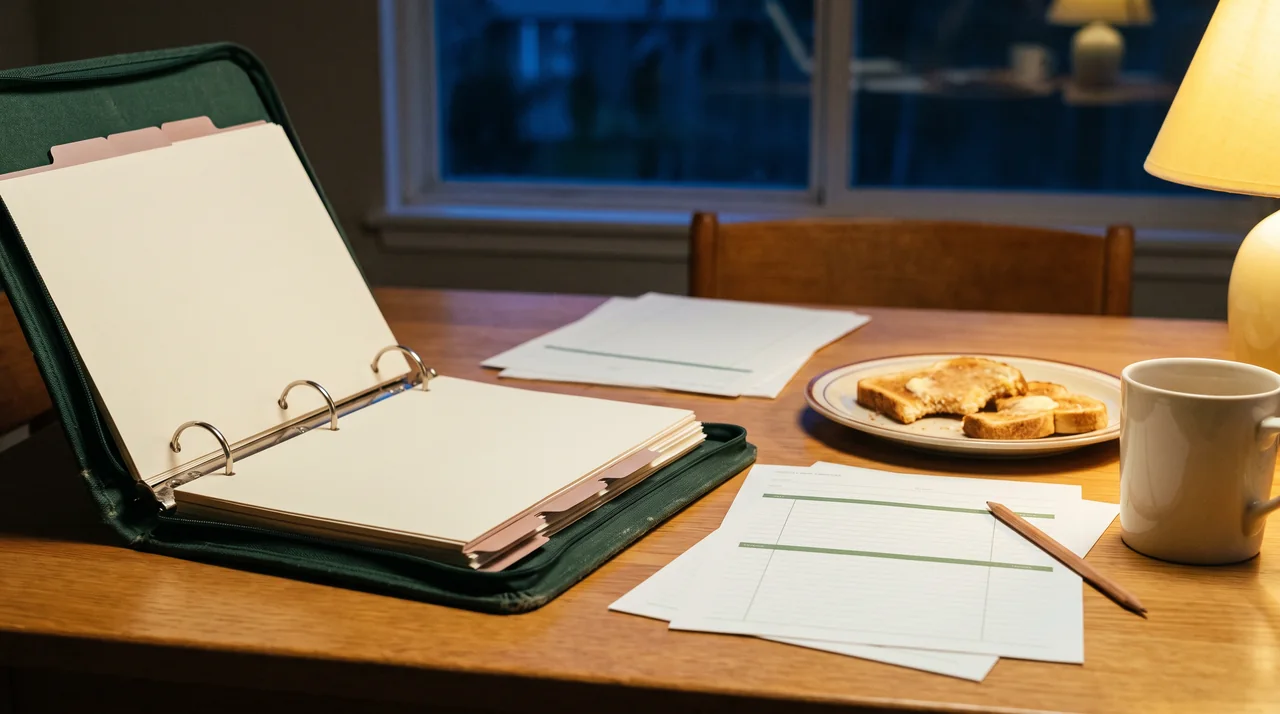
We had spent the previous evening making a portfolio from its contents. He arranged pages on the dining table while I explained why each one mattered. Occasionally, he would hold two documents beside each other and look at me.
“Yes,” I would say. “But that one is different.”
By midnight, the table was covered. We ate toast standing up.
The finished portfolio was beautiful. All the pieces had somewhere to go, with enough space around them to read without feeling hurried.
I packed it in my bag.
Then I brought the binder as well.
The portfolio had more than a résumé.
Recognition, a little self-review and a plan for what came next. I’ve kept the portfolio’s structure here, with a few questions to help you gather your own evidence of good work.
The waiting room overlooked the water. There were three chairs, white flowers, and a woman at a desk who seemed entirely unsurprised by my sleeve.
“Coffee?” she asked.
“I’ve brought some.”
She glanced at the stain.
“So you have.”
I liked her immediately.
I sat with the binder on my knees. Inside were certificates, kind emails, and little pieces of recognition I had saved before carrying on with whatever needed finishing.
One page belonged to a week when I checked everything twice and still woke up thinking I’d missed something. Another came from a job I had almost decided I wasn’t ready for.
A loose sheet slipped out and landed beneath the next chair.
The portfolio had sensible margins and page numbers. The binder preferred audience participation.
I bent to retrieve it.
It was recognition for a suggestion I’d made. I remembered drafting the message, leaving it open, getting up for water, then returning to make one more unnecessary adjustment before sending it.
What I couldn’t remember was celebrating when someone said it was good.
The woman at the desk looked up.
“Everything all right?”
“Yes. Just something I’d forgotten.”
“Those tend to fall out.”
Outside, a boat passed the window. Its yellow sail reminded me of the lamp over our dining table.
Last night, my husband had asked what had happened behind each document. At first I’d given him the short version, the one that sounded appropriate beside a job title.
Then he’d asked another question, and I’d begun telling him about the colleague I helped. The mistake I caught. The thing I learned because I was tired of needing someone else to explain it.
“You should put that in,” he kept saying.
I kept asking whether it really counted.
Working in a bank, a good day can leave very little drama behind. Everything balanced. Someone got an answer. A problem was found while it was still manageable.
Then you go home and say, “Work was fine.”
I had said that about days that had taken everything I knew.
Once I could do something, I stopped thinking about what it had taken to learn. Sitting there with the page in my hands, I remembered how nervous I’d been when I started that job. I could do the work now. I had been doing it for years.
When my name was called, I slid the loose sheet into the portfolio and left the binder closed.
The interview room had a round table, two cups, and an open window. Somewhere outside, somebody was wheeling a bicycle over cobblestones.
I gave one answer too quickly and asked to start again. Nobody seemed particularly troubled by this.
Then they asked about a piece of work I was proud of.
I knew which one.
“I brought a few things,” I said, opening the portfolio.
This time, I let myself take up the time it needed.
On the train home, the seat beside me stayed empty. I put the binder there.
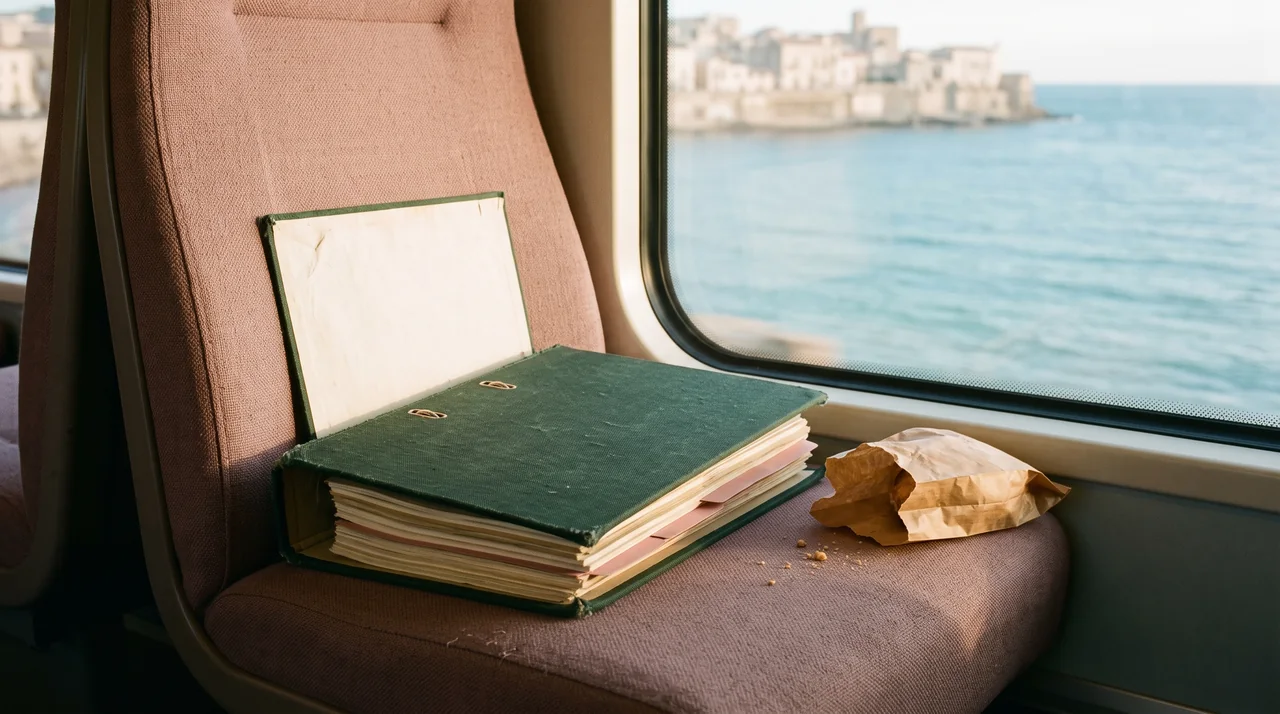
There were answers I wanted to improve and one question I would revisit while brushing my teeth that evening. I bought a pastry at the station anyway.
I sent my husband a message.
I showed them the portfolio.
He replied:
Did the binder get an interview too?
I looked at it, occupying most of the next seat.
It’s considering its options.
I took out the loose page. On the back, I wrote a few lines about the work: why it had been difficult, what I had tried, and what eventually helped. Enough that I would remember next time.
Perhaps you have something like that somewhere. An email you starred. A photograph of something you made. A message you were pleased to receive and then felt slightly silly keeping.
Keep it. Add a date and a sentence about why it mattered.
You’re allowed to be pleased with yourself before it becomes useful in an interview.
I put the page away and opened the pastry bag. We still had a little way to go before my stop.